 Business License

How Do Secure RFID Ear Tags Ensure Data Integrity and Anti-Cloning Protection?
Regarding the practical application of RFID ear tags, we have extensive experience with risk control projects for the livestock industry in the banking and insurance sectors. In such financial projects, the “immutability” of data and the “openness” of the system are key factors in decision-making. To avoid duplicate verification and improve efficiency, how does Shenzhen Suan Intelligent Co.,Ltd address these core technical challenges?
Answer 1. Data Integrity and Anti-Tampering Mechanisms (Core Evidence Capability)
Since this involves financial claims, we need to verify the authenticity of data generated in offline environments:
Offline Data Validation: Timestamps, Device IDs, and GPS information collected in offline mode—
Before uploading to the cloud, do terminal devices employ encryption or anti-tampering mechanisms
(such as hash verification or digital signatures) to prevent manual backend modifications?
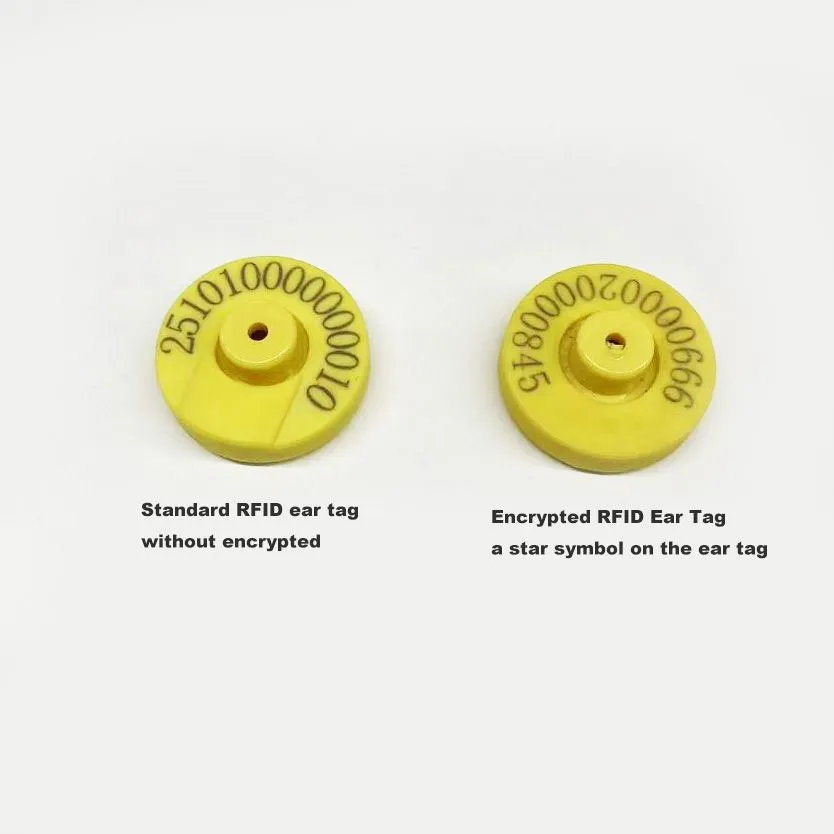
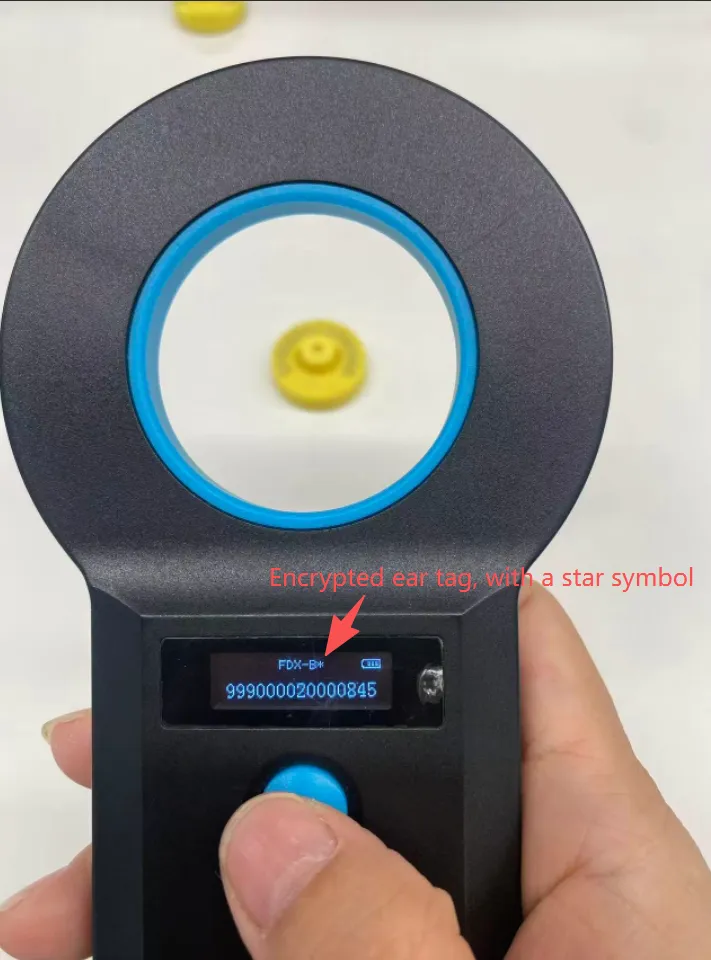
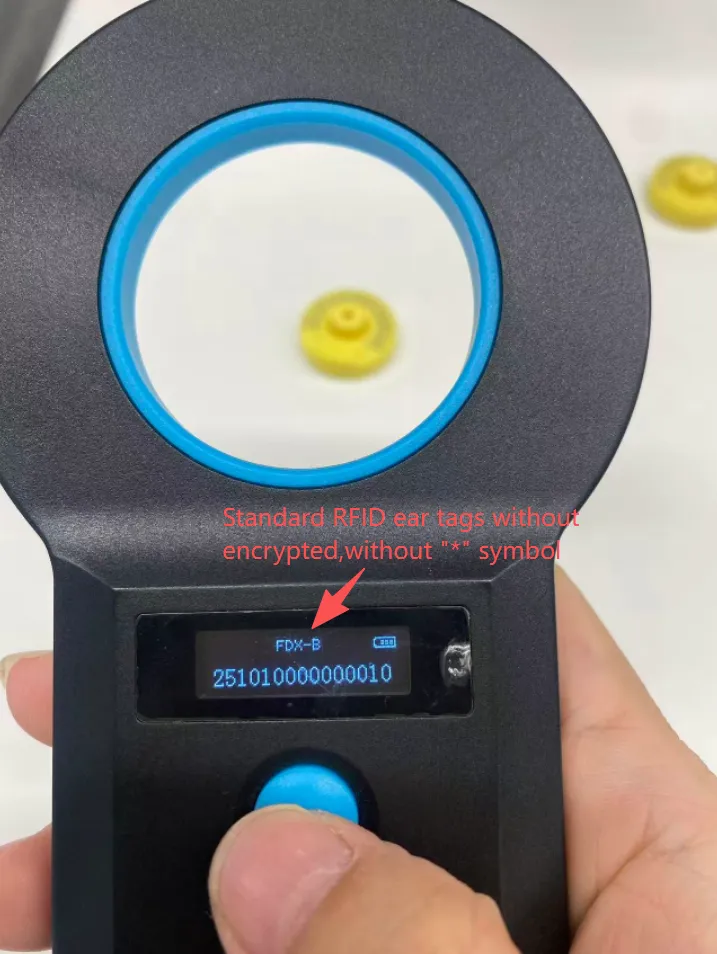
Response: Yes, data from our terminal devices (readers) is stored in encrypted form. Backend data is stored in a large database;
without the proper permissions, it cannot be accessed or modified.
Based on our practical experience, there may be instances where customers need to make modifications. In such cases, data modifications
can be performed through dedicated system functions, and modification logs are recorded.
Answer 2. If two different geographic locations are uploaded for the same UID within a short period,
does the system backend have an automatic alert or logical validation mechanism?
Response: An automatic alert mechanism can be configured.
Answer 3. Binding and Security of Image Evidence
This is the key “supplementary evidence” in our current solution that replaces advanced biometric authentication:
Mandatory Binding: When reading an RFID tag, can the app's camera function be forced to activate? Are image files strongly linked to the RFID UID during transmission (via filename or metadata binding)?
Response: Our 8th-generation reader automatically captures a photo when scanning an ear tag, eliminating the need to launch the mobile app’s camera. Of course, it is possible to launch the app to take a photo without using the reader, but this involves two separate steps—scanning and taking a photo—
which increases the risk of fraud (e.g., using a cow wearing the ear tag and taking photos from different angles repeatedly, while the actual ear tag is not worn).
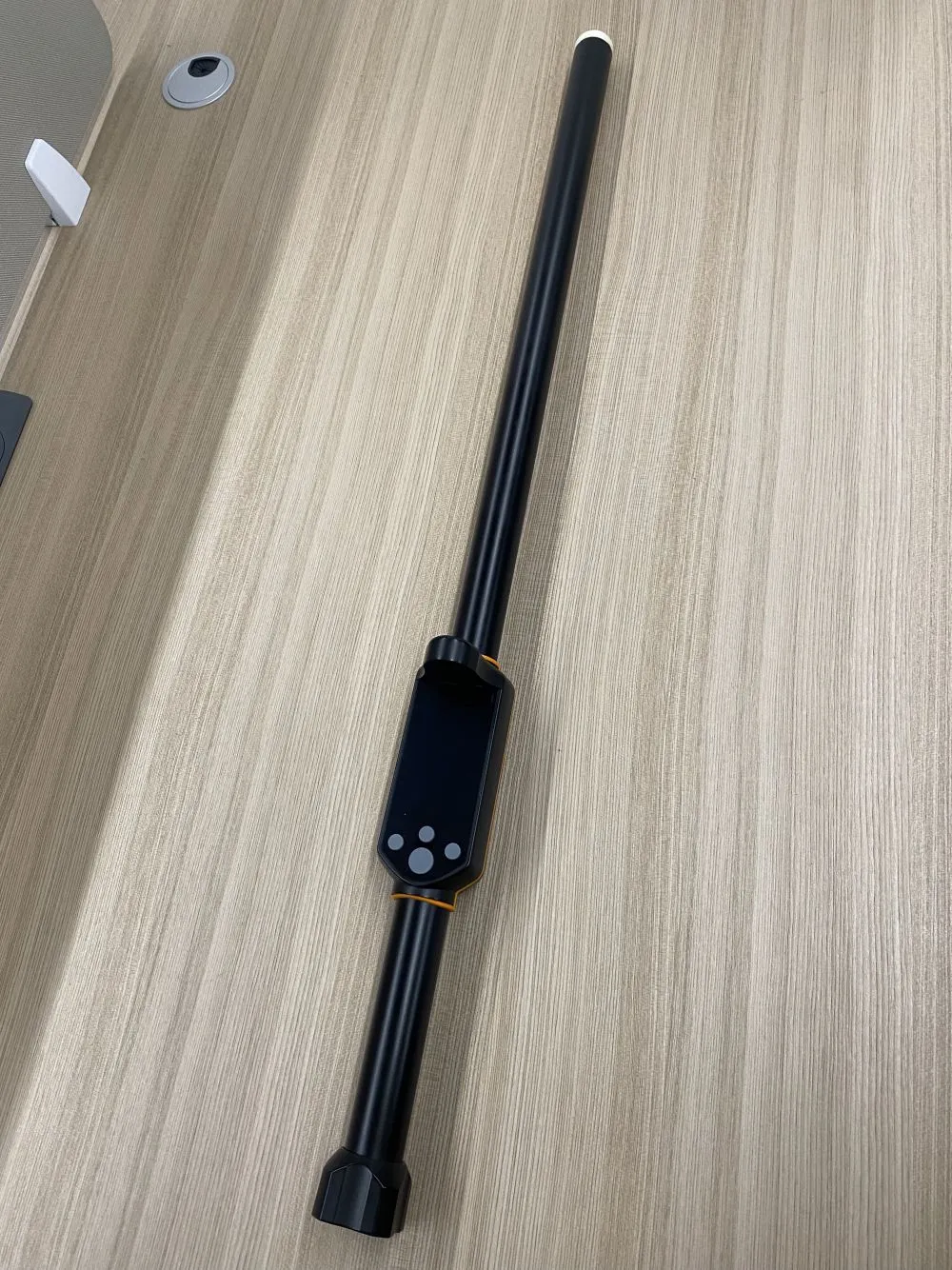
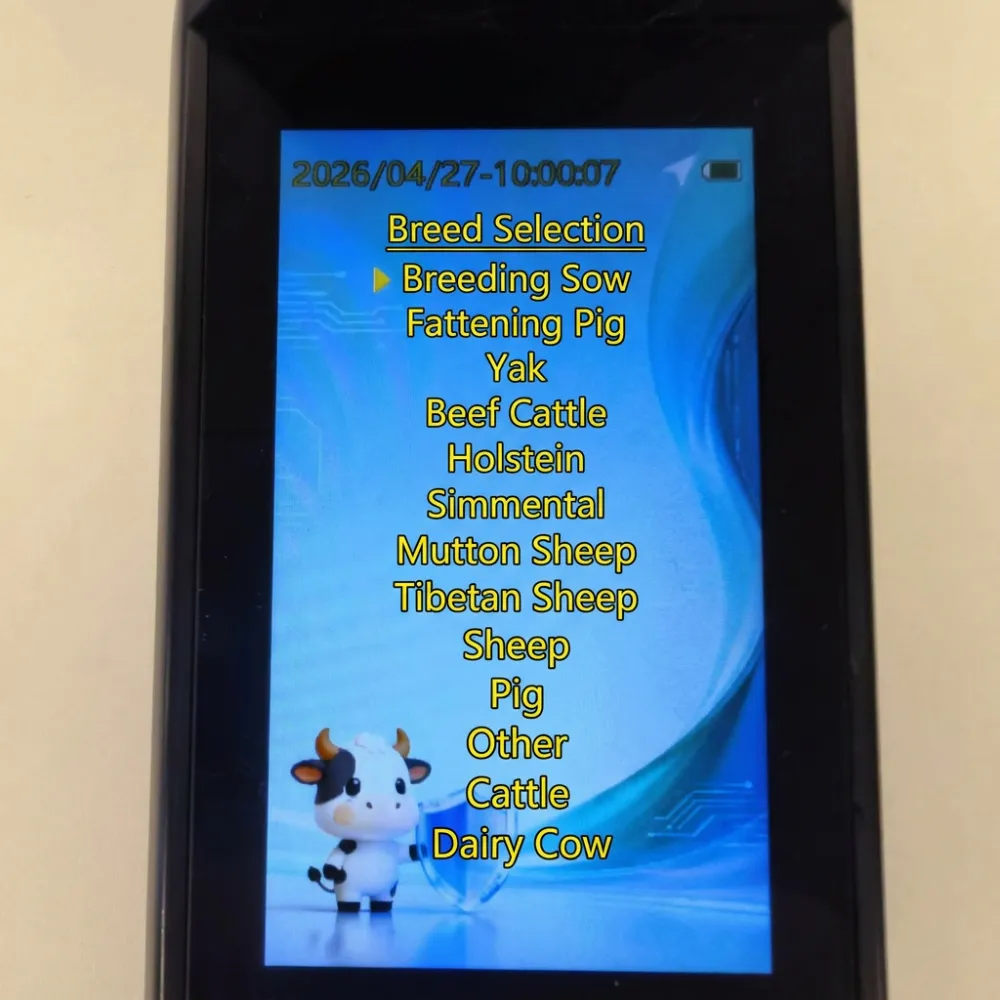


Answer 4. Image Anti-Tampering: Can the captured images be protected against subsequent replacement or modification? Does the system support automatically embedding unalterable time/location watermarks on the images?
Response: Yes, tampering and modification are prevented. Watermarks are automatically applied when the photo is generated, including the capture time, ear tag number, farmer’s ID number, and location data.
Additionally, the photo filename includes the ear tag number, and the ear tag data is stored in encrypted form. The scanning wand with automatic capture serves as the sole entry point for data collection, making tampering impossible.
Answer 5. SDK/API Openness (for future system integration)
We need to evaluate the possibility of integrating the SUAN system as a “backend data source” with our future proprietary platform:
Log Access: Is it possible to access the raw logs (Raw Log) from the Reader end?
Response: Raw logs cannot be accessed; only scanned ear tag data and captured photos are available.
Answer 6: API Integration: Does it support forwarding the collected raw image data to an external AI recognition system (such as third-party facial/nose print recognition) via a real-time API interface ?
Response: Cattle face recognition can be implemented, but the face data is not collected via the reader; instead, it is captured by the mobile app using the phone’s camera. Cattle face data collection requires capturing information from three angles: the left, center, and right sides of the face.
If your company needs to implement cattle face recognition, we can provide an SDK that includes a mobile-based model for automatic recognition and capture of the left, center, and right sides of the cattle’s face, or we can develop an app for you. Our cattle face recognition technology is developed through a strategic partnership with Tencent; the algorithm was developed by Tencent.
It has been in use in China for seven years and has undergone continuous learning and iteration; it is currently the technology with the highest accuracy rate in China. Based on experience in China, nasal print recognition is not feasible in practical applications. For one, it is difficult to capture and requires extremely high camera resolution;
On the other hand, nasal prints are prone to damage or soiling. After an animal’s death, the characteristics themselves change, and even slight damage or soiling can lead to inaccurate or erroneous recognition. The industry lacks corresponding enforcement measures and standards for determining liability, which can easily lead to disputes.
Answer 7 : Firmware Customization: If modifications to the reader’s operational logic are required (e.g., RFID registration cannot be completed without taking a photo), does your company support custom development at the firmware level?
Response: Our company supports custom development at the firmware level.
If you want to know more details about our technology,please contact us, nadia@eartaghome .com or 86 189 0245 6586, thank you,
Recently Posted
-
Beyond the Basics: What Makes a Top-Tier RFID Ear Tag Factory?
July 28, 2026In the rapidly evolving world of smart farming and livestock management, RFID ear tags havebecome an indispensable tool for tracki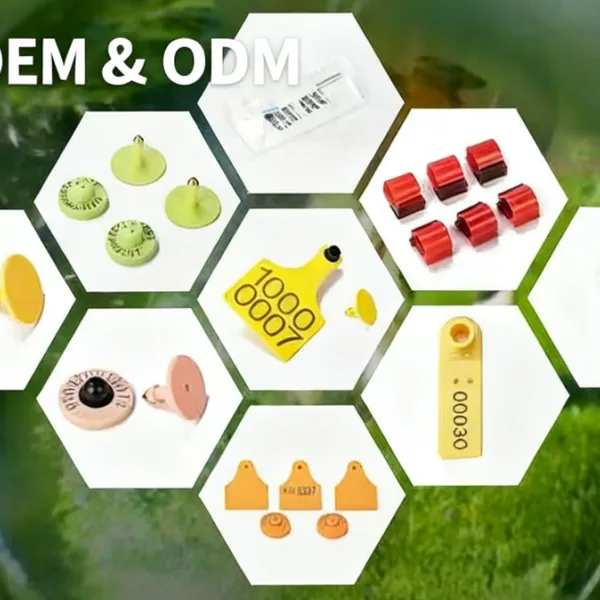 Read More
 -
LoRaWAN Smart Livestock Monitoring from Suan Intelligent ( Eartaghome)
July 23, 2026Shenzhen Suan Intelligent Technology Co., Ltd (Brand: Eartaghome) has been dedicated to livestock identification and smart animal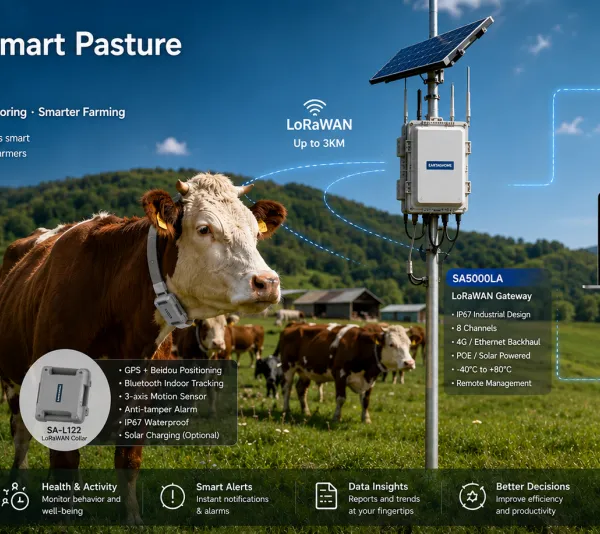 Read More
 -
LoRaWAN Smart Pasture IoT Solution from Shenzhen Suan Intelligent Technology
July 17, 2026Suan Intelligent: End-to-End Tracking Collar + Industrial Gateways + Bespoke Web/App PlatformsThe SA-L122LoRa+GPS collar is a wire Read More
 -
How We Solved a Customer's Sheep Farm Ear Tag Management Challenges with UHF RFID Readers?
June 29, 2026From a client:What is the vertical distance your panels can read and can they be connected so a reader can be set up on either sid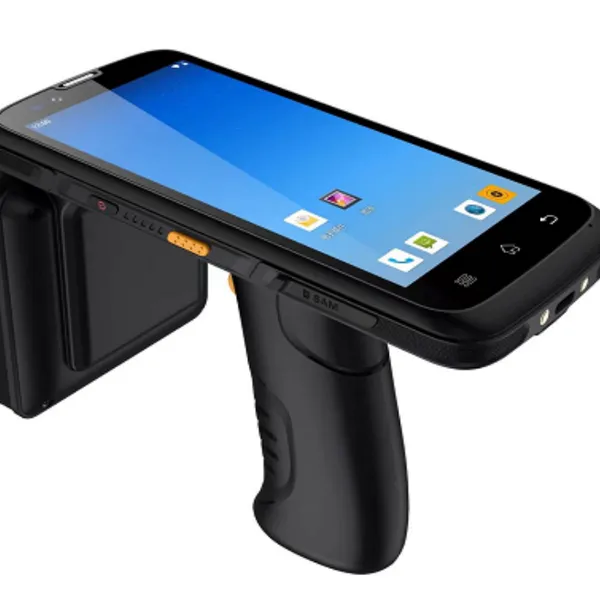 Read More

Contact Us
Recommended Products
-
 Cattle Ear Tag Manufacturer Button RFID Ear Tags ICAR CertifcatedUS$ 0.3 - 0.46MOQ: 1000 Units
 -
ISO11784/5 FDX-B Bio-Glass RFID Pet Microchip Transponder (1.25*7mm / 1.48*10mm / 2.12*12mm)US$ 0.43 - 0.55MOQ: 1000 Units
-
ISO11784/5 RFID Pet Microchip Transponder 2.12*12mm 1.48*10mm 1.25*7mm Bio-Glass ID Tracking TagUS$ 0.43 - 0.55MOQ: 1000 Units
-
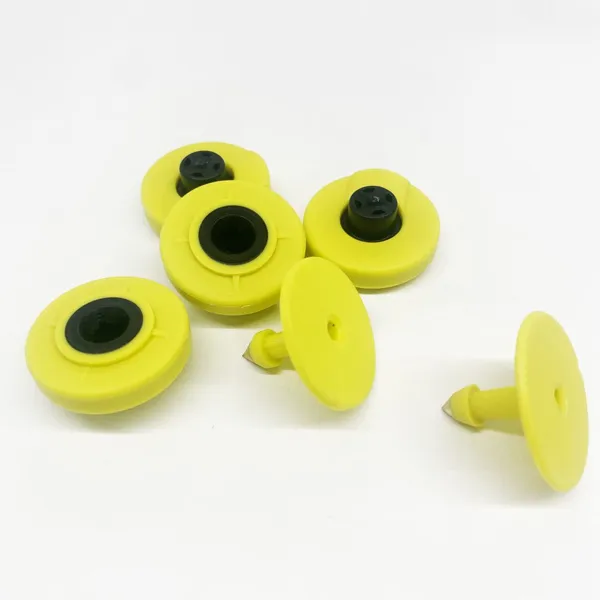
ISO11784/5 FDX-B 134.2KHz Round RFID Ear Tag Livestock Tracking Button Electronic Ear Tag China SupplierUS$ 0.3 - 0.46MOQ: 1000 Units
-
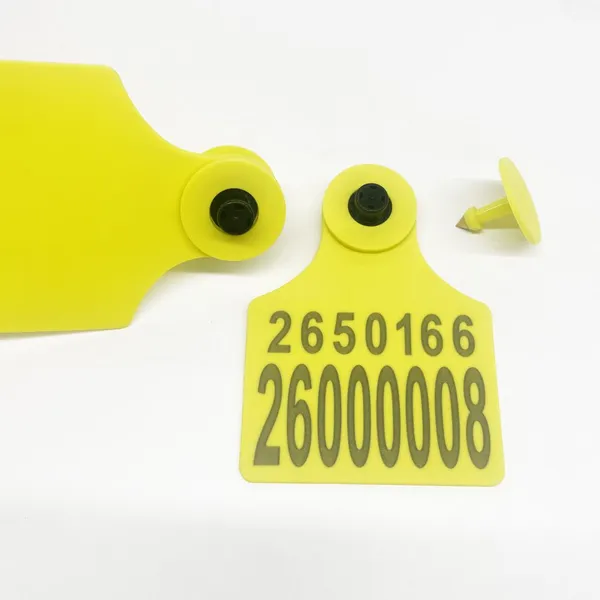
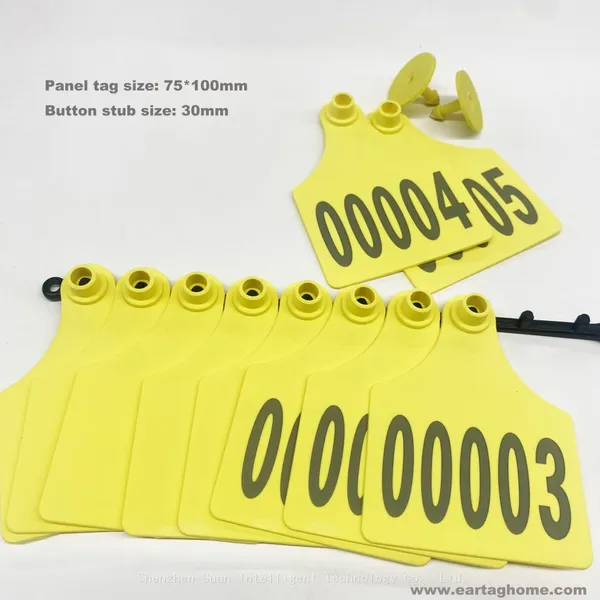
Large TPU RFID Cattle Ear Tags | FDX-B 134.2KHz ISO11784/5 Livestock Visual Tag (75*100mm)US$ 0.3 - 0.5MOQ: 1000 Units
-
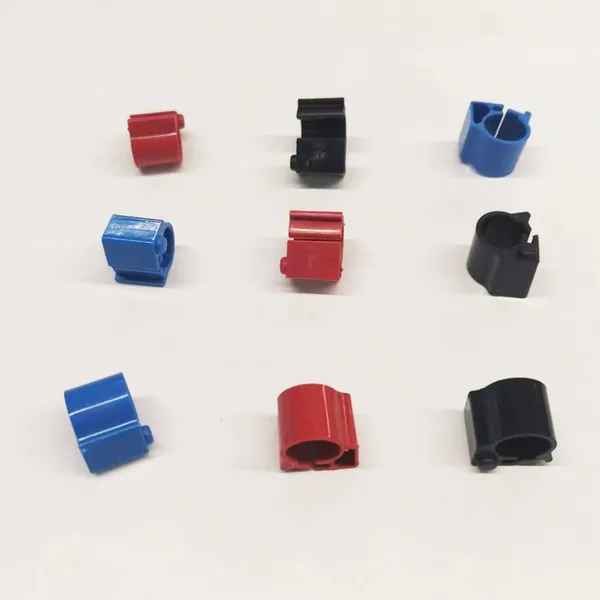
CE RoHS Approved ISO11784/5 RFID Pigeon Foot Rings 8mm 9mm European Size Racing Pigeon BandUS$ 0.4 - 0.55MOQ: 10000 Units
-
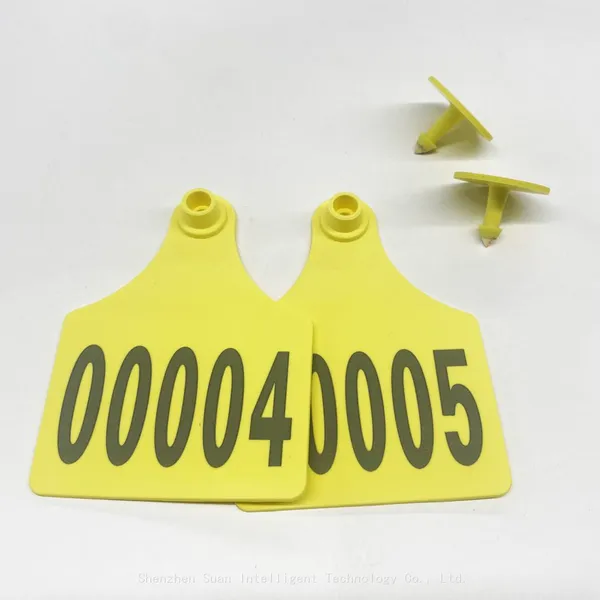
Custom Large Visual Cattle Ear Tags | 75×100mm Livestock Identification TagUS$ 0.16 - 0.19MOQ: 10000 Pieces
-
Large TPU Visual Ear Tag for Cattle | Custom Printed Cow Ear Tags With Metal Pin HeadUS$ 0.16 - 0.19MOQ: 10000 Pieces
-
Livestock ID Components RFID Reader ISO 11784/11785 134Khz Rfid Readers for Rfid Tags Data ManagementUS$ 275MOQ: 1 Combo
-
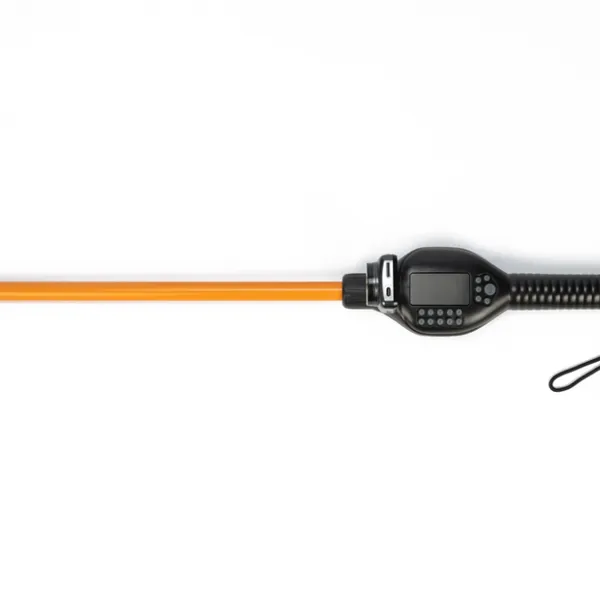
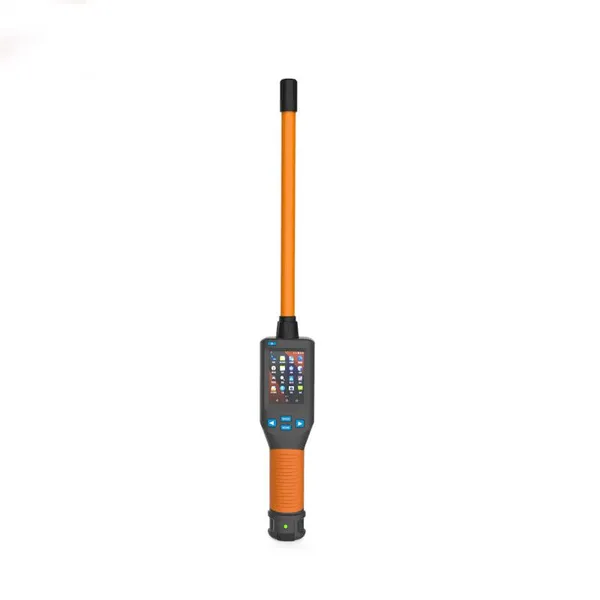
Long Read Distance Stick Scanner FDX-b HDX 134.2 Khz Animal Cattle ReaderUS$ 275MOQ: 1 Combo
-
Durable TPU Laser Numbered Livestock Ear Tags Custom Cattle Sheep Identification Tags 43.5*50mmUS$ 0.1 - 0.12MOQ: 10000 Pieces
-
Proveedor de Etiquetas de Oreja Para Ganado en China, Etiquetas Visuales Para Ovejas, Alta Calidad, Resistentes a Los Rayos UV, Impresión LáserUS$ 0.85 - 0.9MOQ: 1000 Pieces
-
Custom Numbered TPU Paddle Ear Tag – Heavy Duty Livestock Identification TagUS$ 0.11 - 0.13MOQ: 1000 Units
-
Custom Numbered TPU Paddle Ear Tag – Heavy Duty Livestock Identification TagUS$ 0.17 - 0.21MOQ: 1000 Units
-
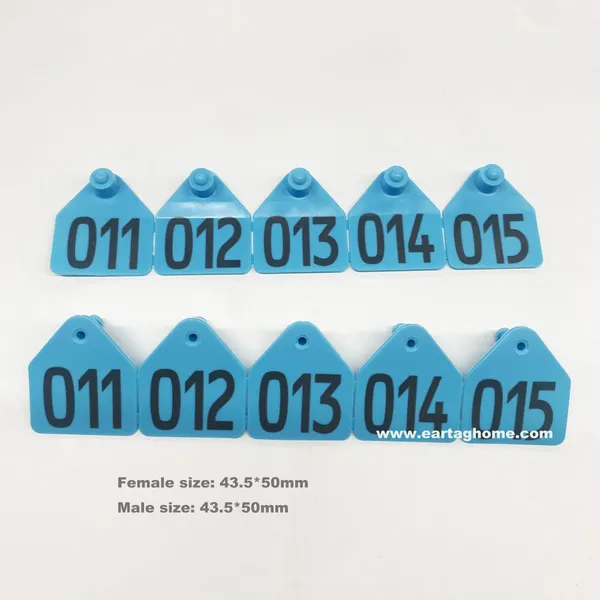
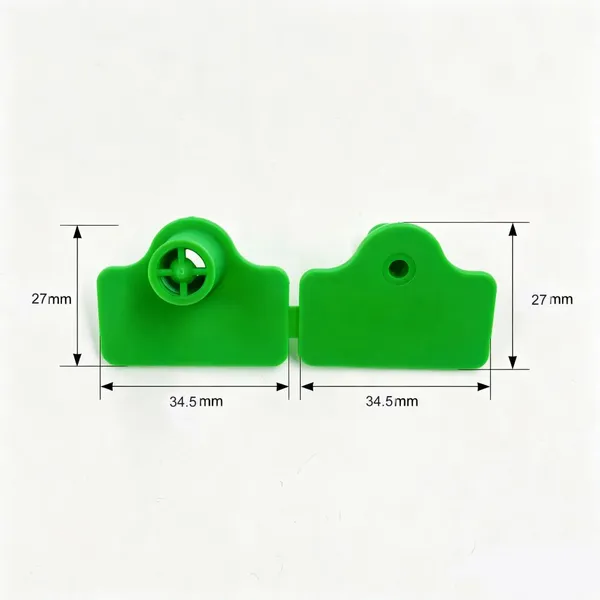
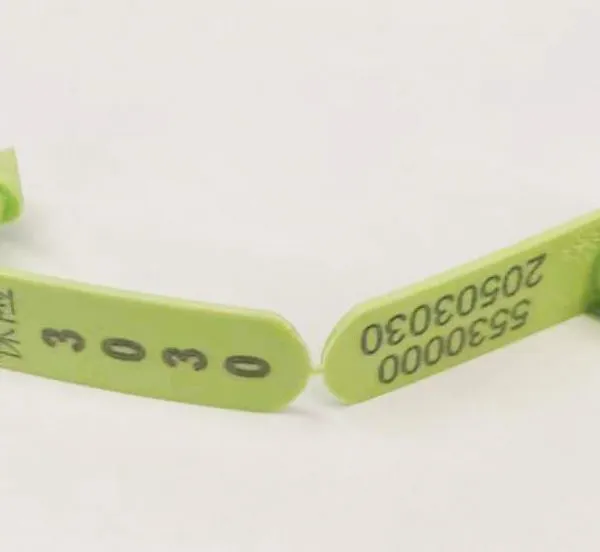
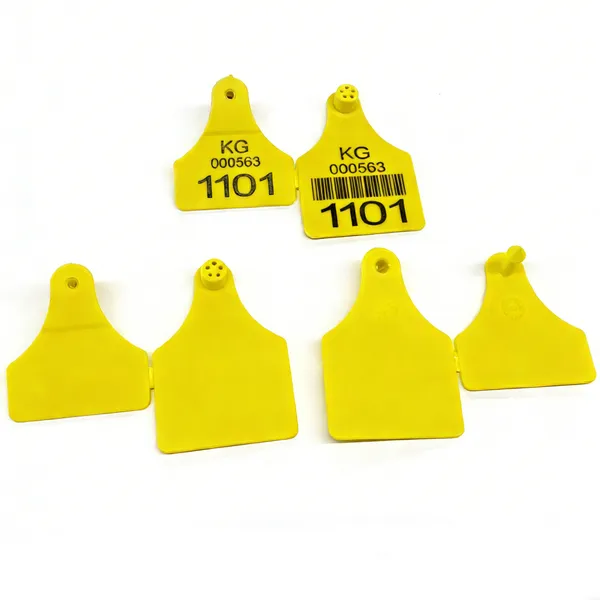
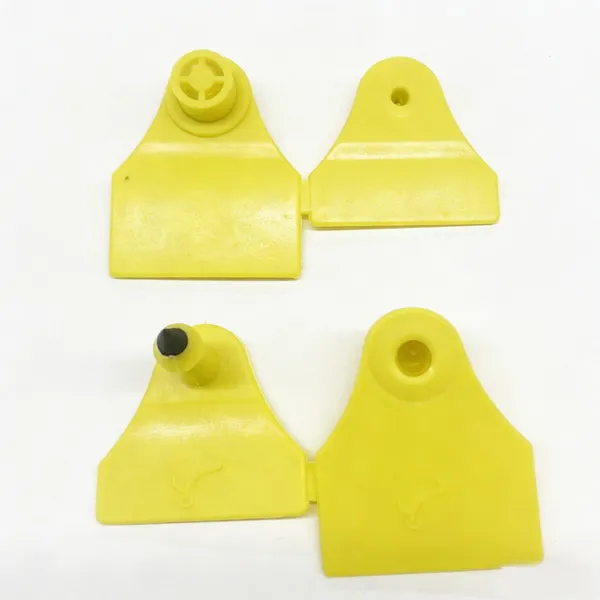
TPU Livestock Ear Tag for Cattle and Sheep Durable Two-Piece Identification TagUS$ 0.14 - 0.16MOQ: 1000 Units
-
Durable TPU Paddle Livestock Ear Tag for Cattle and Sheep – Two-Piece Identification TagUS$ 0.11 - 0.13MOQ: 1000 Units
-
Paddle-shaped Two-piece Livestock Identification Ear Tag for Cattle & Sheep With Long Service LifeUS$ 0.11 - 0.13MOQ: 1000 Units
-
Small Size Flag Ear Tags for Sheep and Goats With Customized Colors TPU Material Waterproof & DurableUS$ 0.05 - 0.07MOQ: 1000 Units
-
EID RFID FDX-B Available Ear Tag for Cattle 115*75mm Large Size Easy for Livestock ManagementUS$ 0.55 - 0.57MOQ: 1000 Units
-
TPU Paddle Ear Tag for Cattle Small Size for Livestock Identification Anti-collision Design With Metal PinUS$ 0.42 - 0.46MOQ: 1000 Units